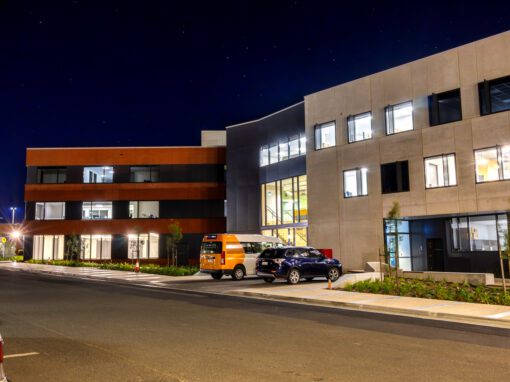
Spirit of Tasmania Terminal
Mechanical services for the Spirit of Tasmania Terminal
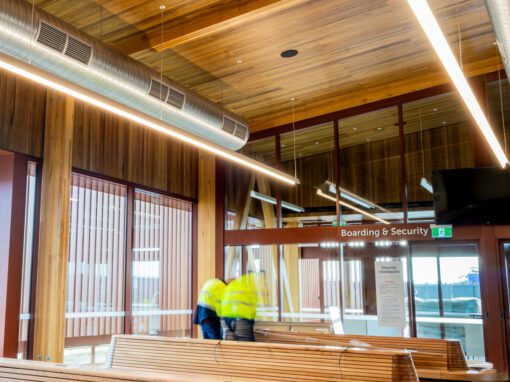
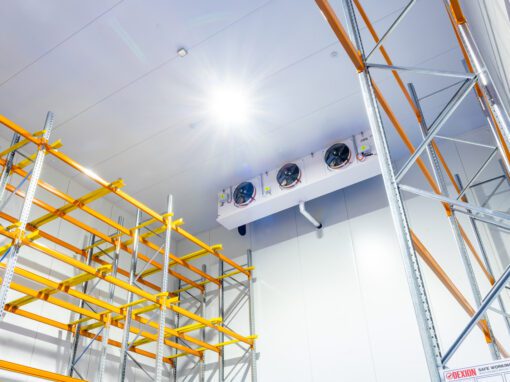
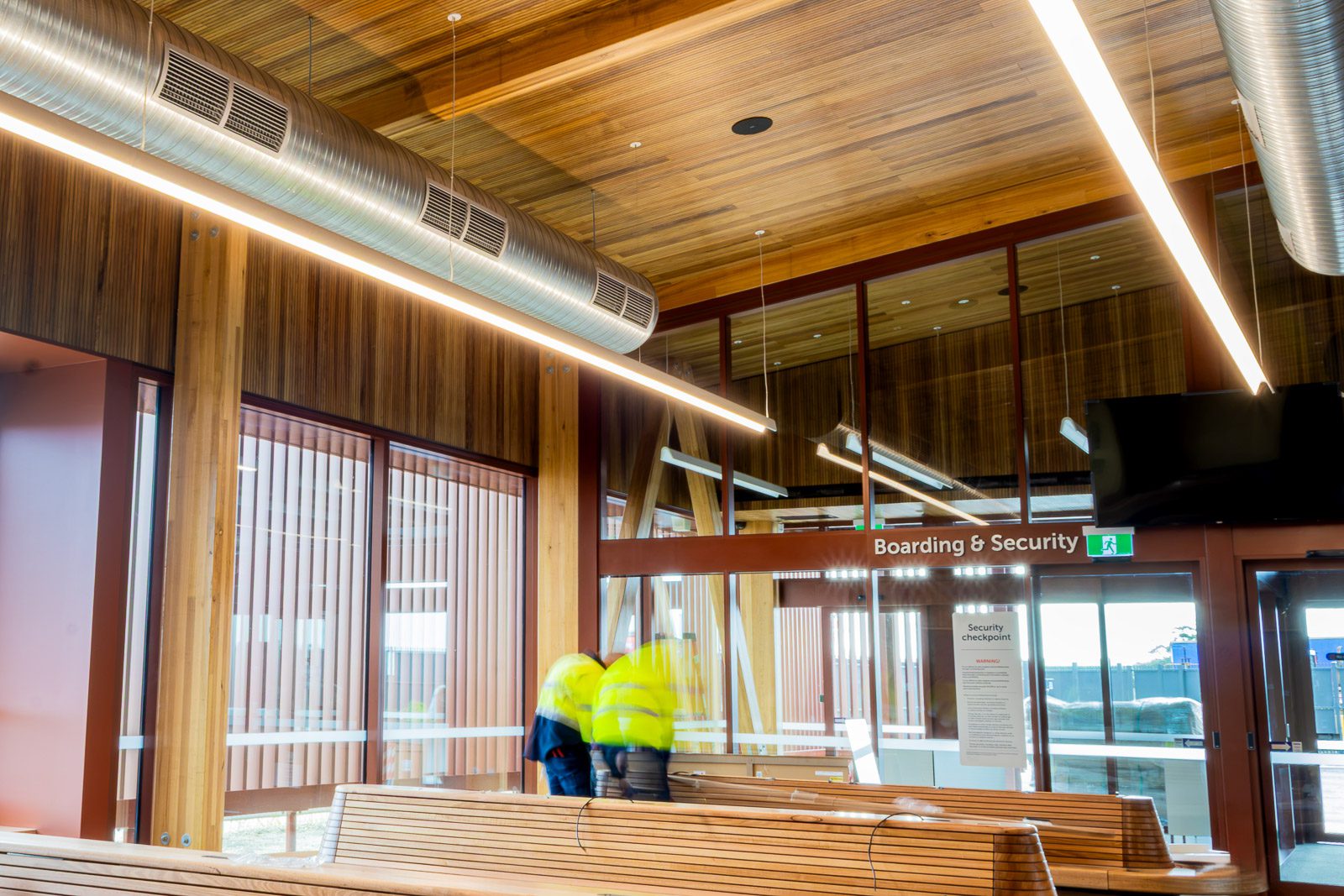
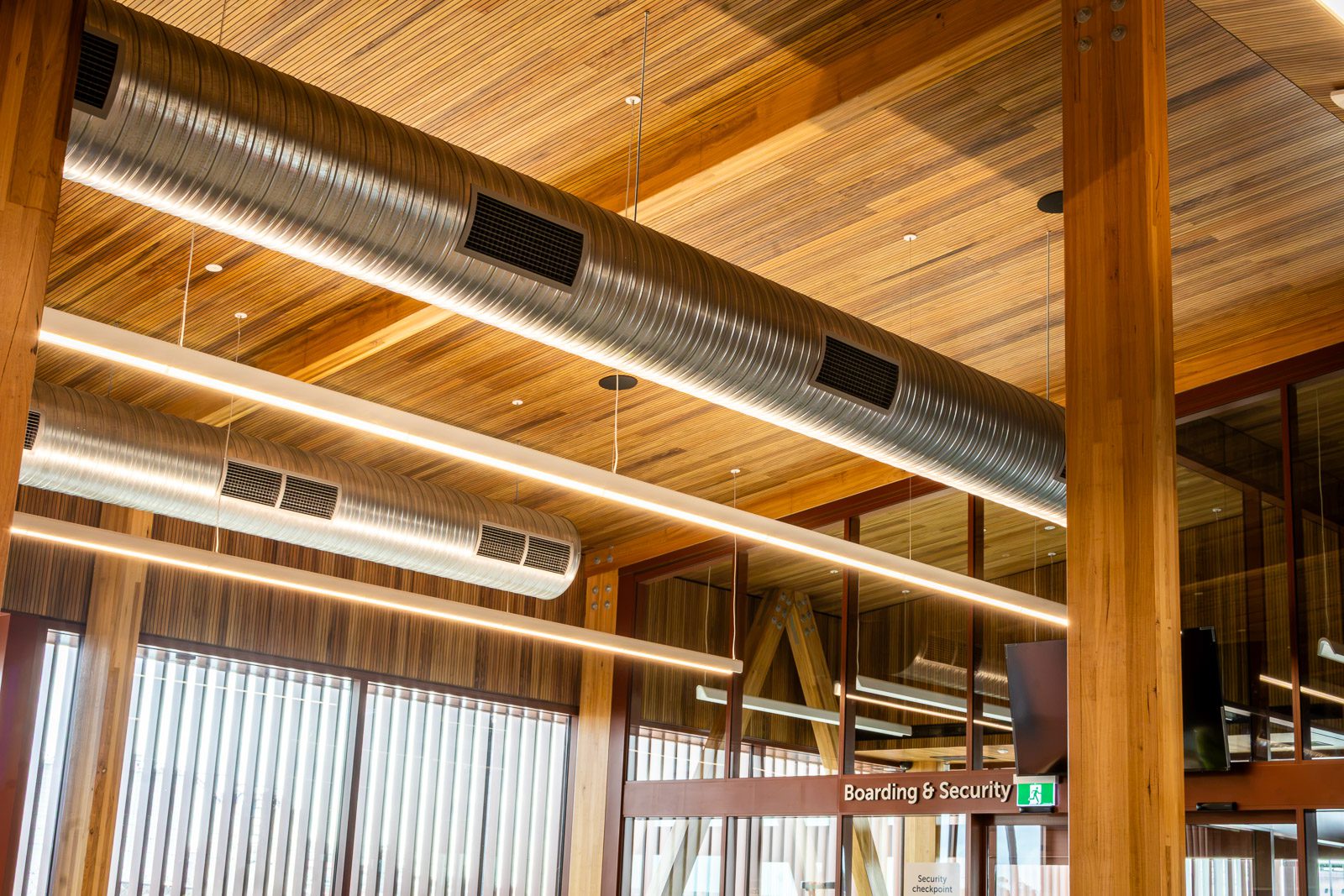
Degree C’s Mechanical team delivered the complete mechanical services installation for the Spirit of Tasmania Terminal, providing an integrated solution for air conditioning, ventilation and environmental control throughout the facility.
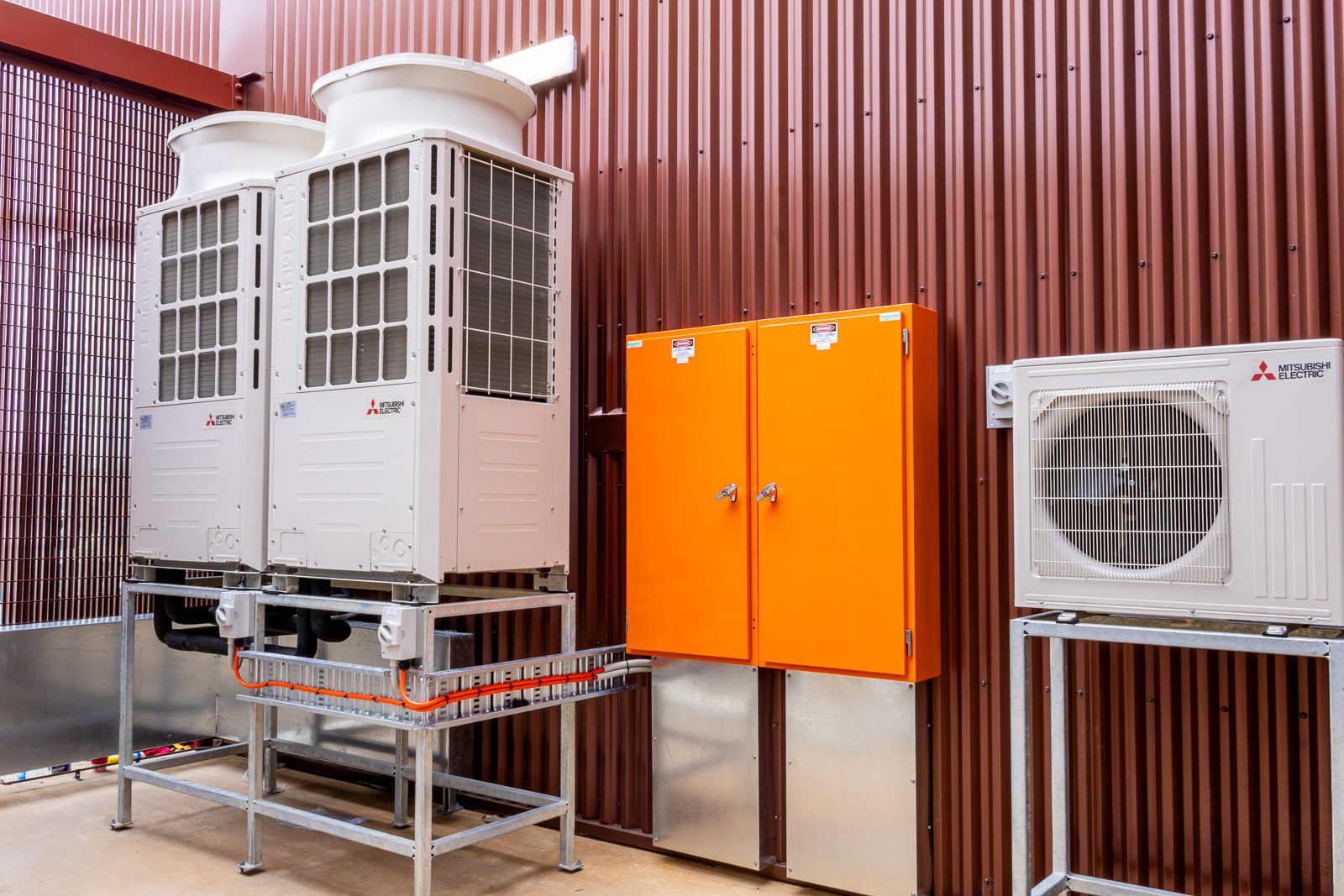
The project incorporated a Mitsubishi Electric VRF air conditioning system, dedicated climate control for critical communications infrastructure, energy recovery ventilation and integration with the site’s Building Management System (BMS).
Together, these systems provide reliable temperature control, fresh air ventilation and centralised monitoring across the Terminal Building.
Air Conditioning
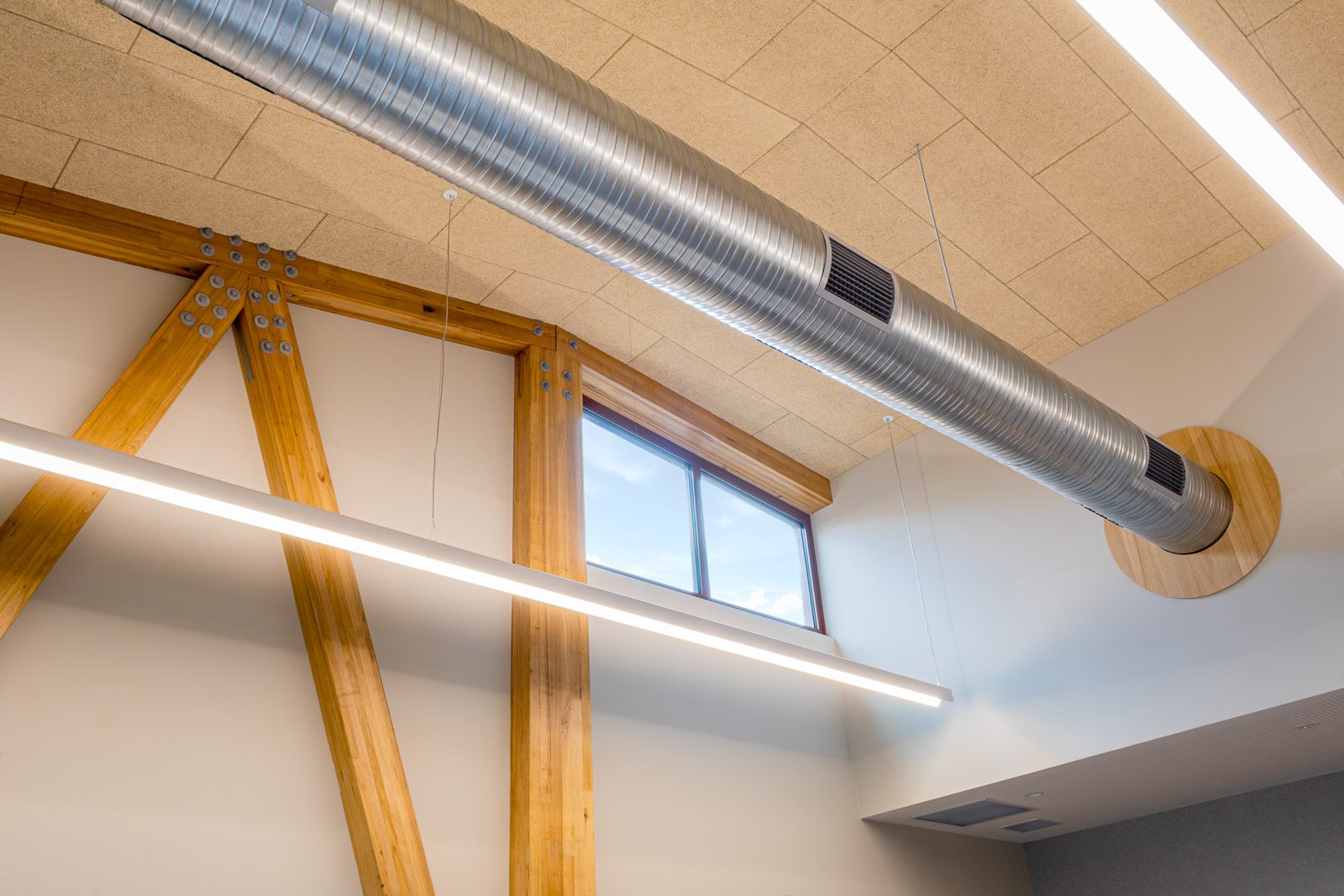
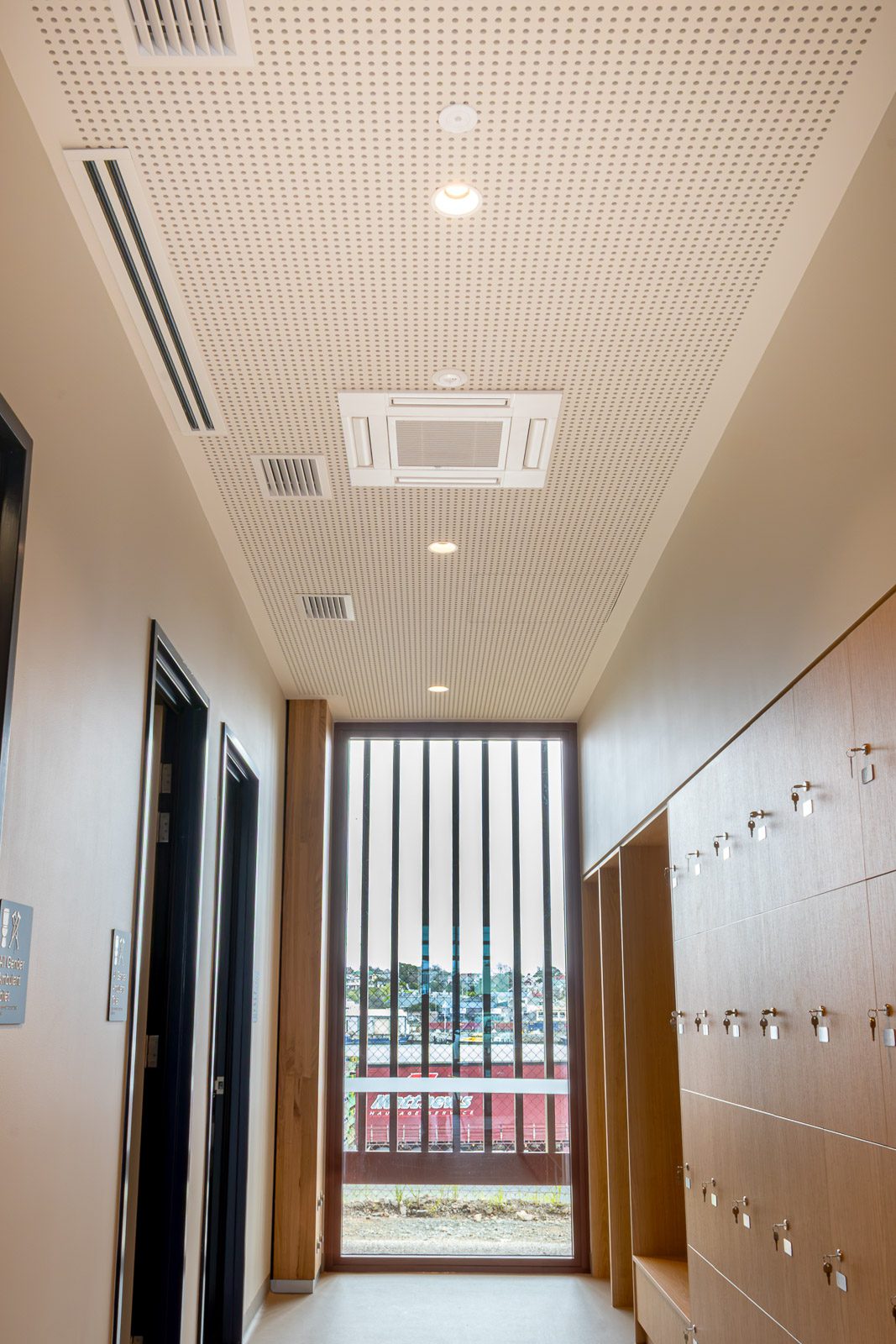
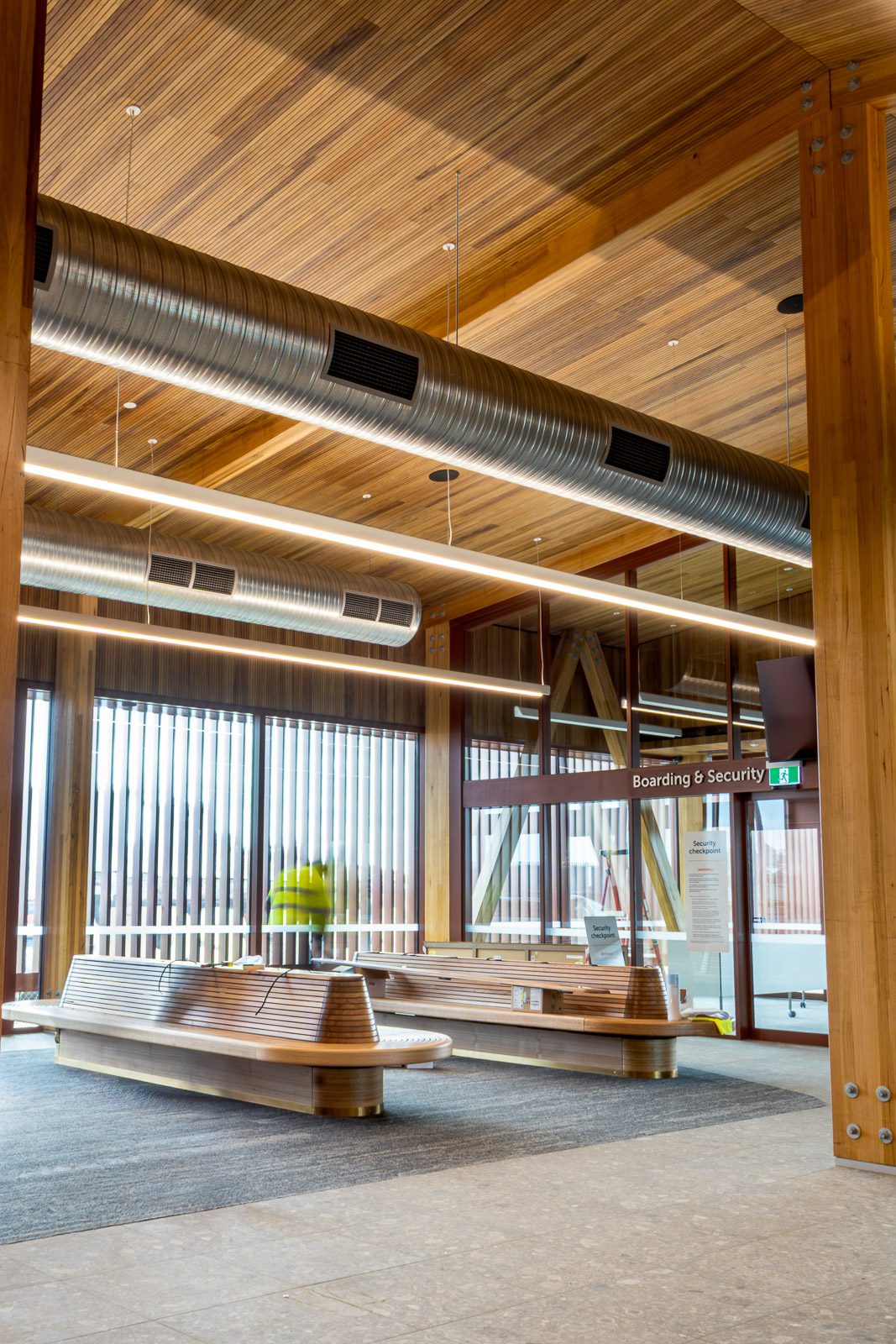
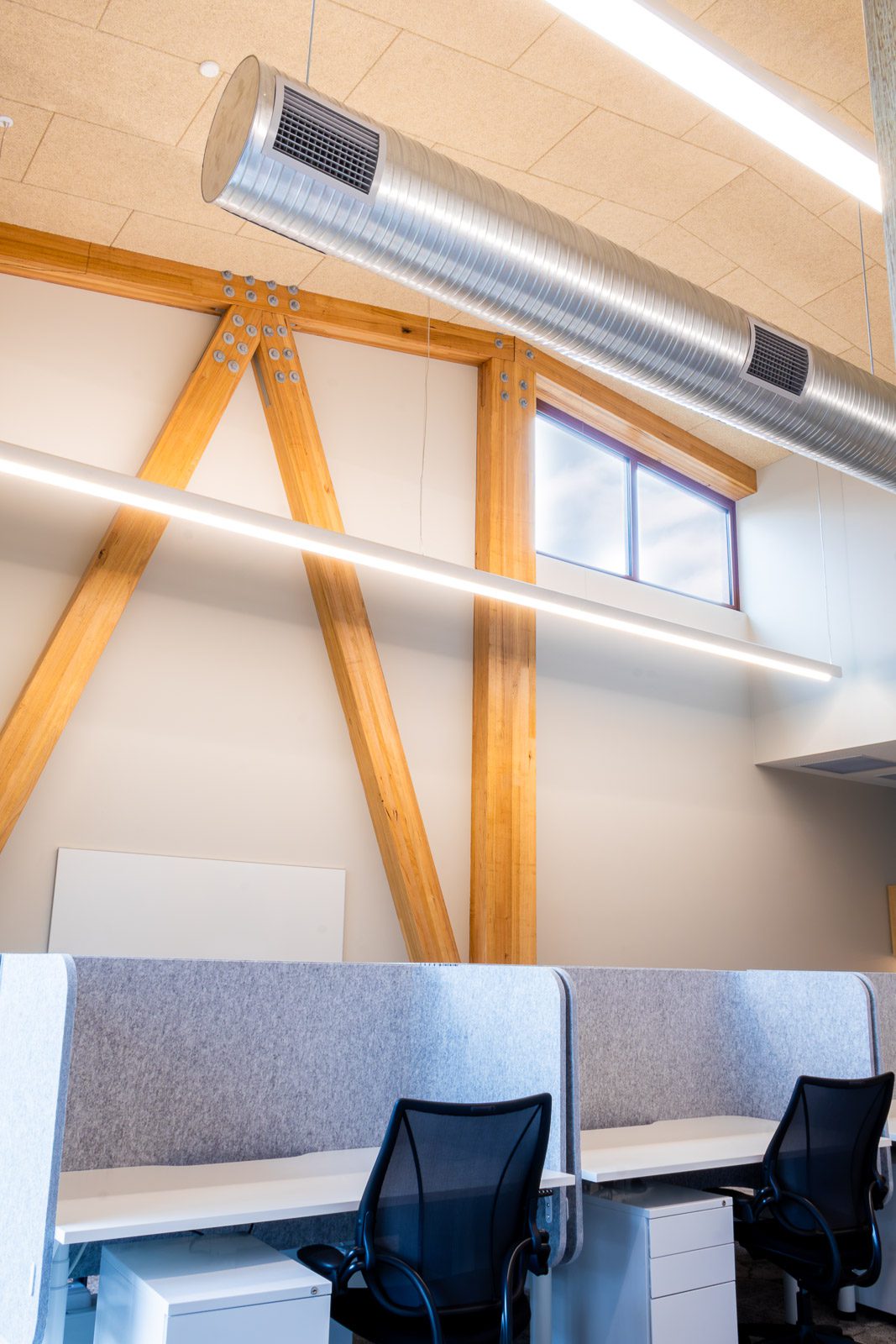
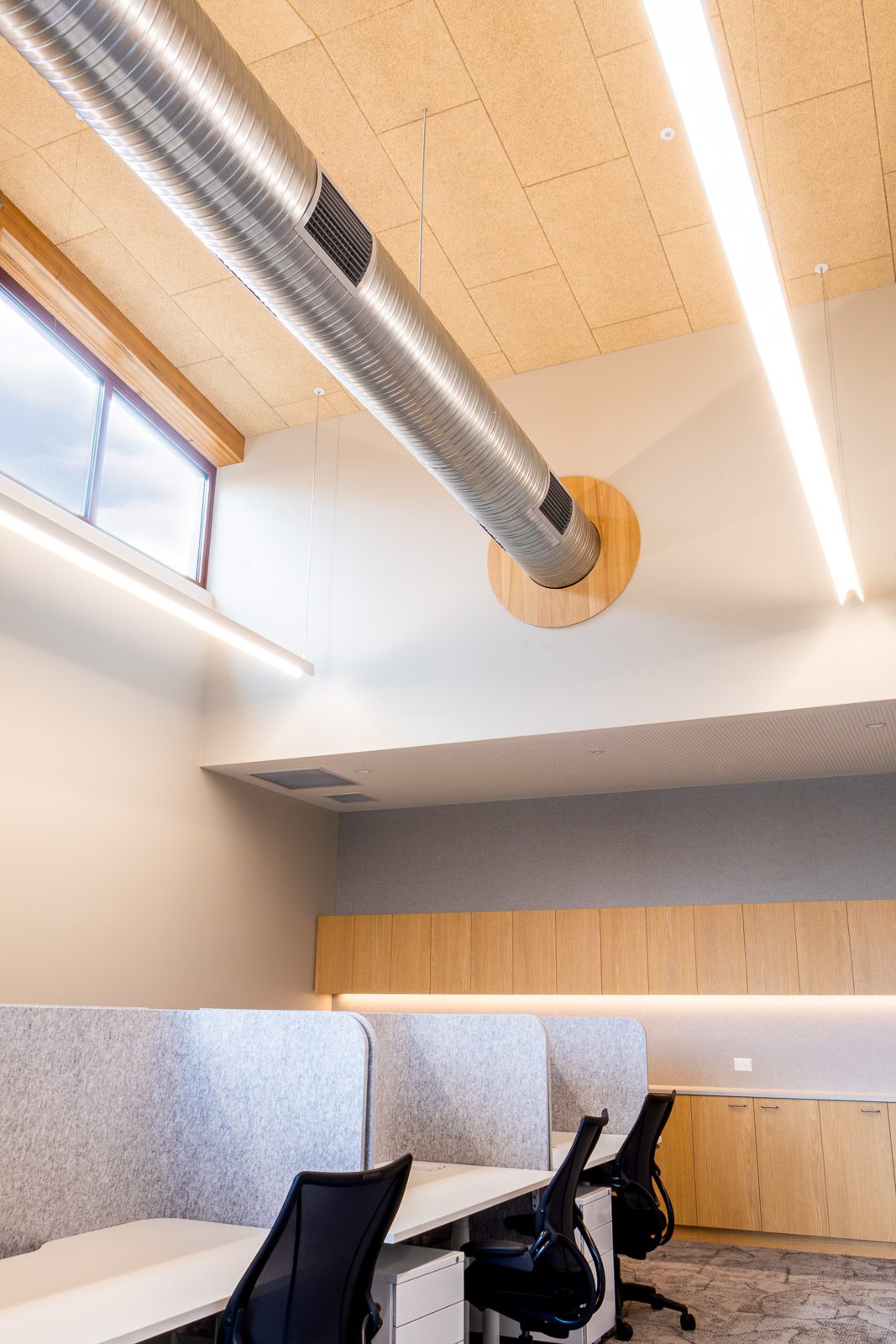
The Terminal Building is serviced by a Mitsubishi Electric VRF air conditioning system, with ducted fan coil units serving individual rooms and thermal zones throughout the facility.
Local wired controllers with built-in temperature sensors provide individual control across different areas of the building, allowing conditions to be managed according to occupancy and operational requirements.
Outside air is supplied to the return air plenums of the fan coil units through centralised Energy Recovery Ventilators (ERVs), providing fresh air throughout the facility while supporting the efficiency of the overall system.
The air conditioning equipment is also integrated with the site’s Building Management System, allowing centralised monitoring and control.
Air conditioning scope
-
Mitsubishi Electric VRF air conditioning system
-
Ducted fan coil units
-
Individual room and thermal zone control
-
Local wired controllers with temperature sensing
-
Centralised Energy Recovery Ventilators
-
Outside air distribution
-
BMS integration
Communications Room Climate Control
The Communications Room required dedicated climate control to maintain suitable environmental conditions for critical equipment.
Degree C installed duty and standby wall-mounted split-system air conditioning units, providing both reliable cooling and system redundancy.
The duty/standby arrangement ensures a secondary system is available should the primary unit become unavailable, helping maintain appropriate conditions within the Communications Room.
The system incorporates local temperature control and is integrated with the site BMS for ongoing monitoring and control.
Ventilation
Degree C also delivered the mechanical ventilation system servicing the Ground Floor amenities.
A dedicated toilet exhaust system incorporates an Energy Recovery Ventilator connected to exhaust air grilles throughout the applicable areas, with exhaust air discharged externally through weatherproof louvres.
Make-up and transfer air is provided through ceiling-mounted grilles and associated ductwork positioned above the doors.
The ventilation system is also connected to the Building Management System, bringing the major mechanical services together within a centralised monitoring and control platform.
An integrated mechanical solution
The completed installation brings air conditioning, fresh air, exhaust ventilation, energy recovery and BMS control together in one coordinated mechanical services package.
From zoned VRF air conditioning throughout the Terminal Building to dedicated redundancy for critical communications infrastructure, the Spirit of Tasmania Terminal project demonstrates Degree C’s capability in delivering integrated mechanical services for major commercial and infrastructure projects.
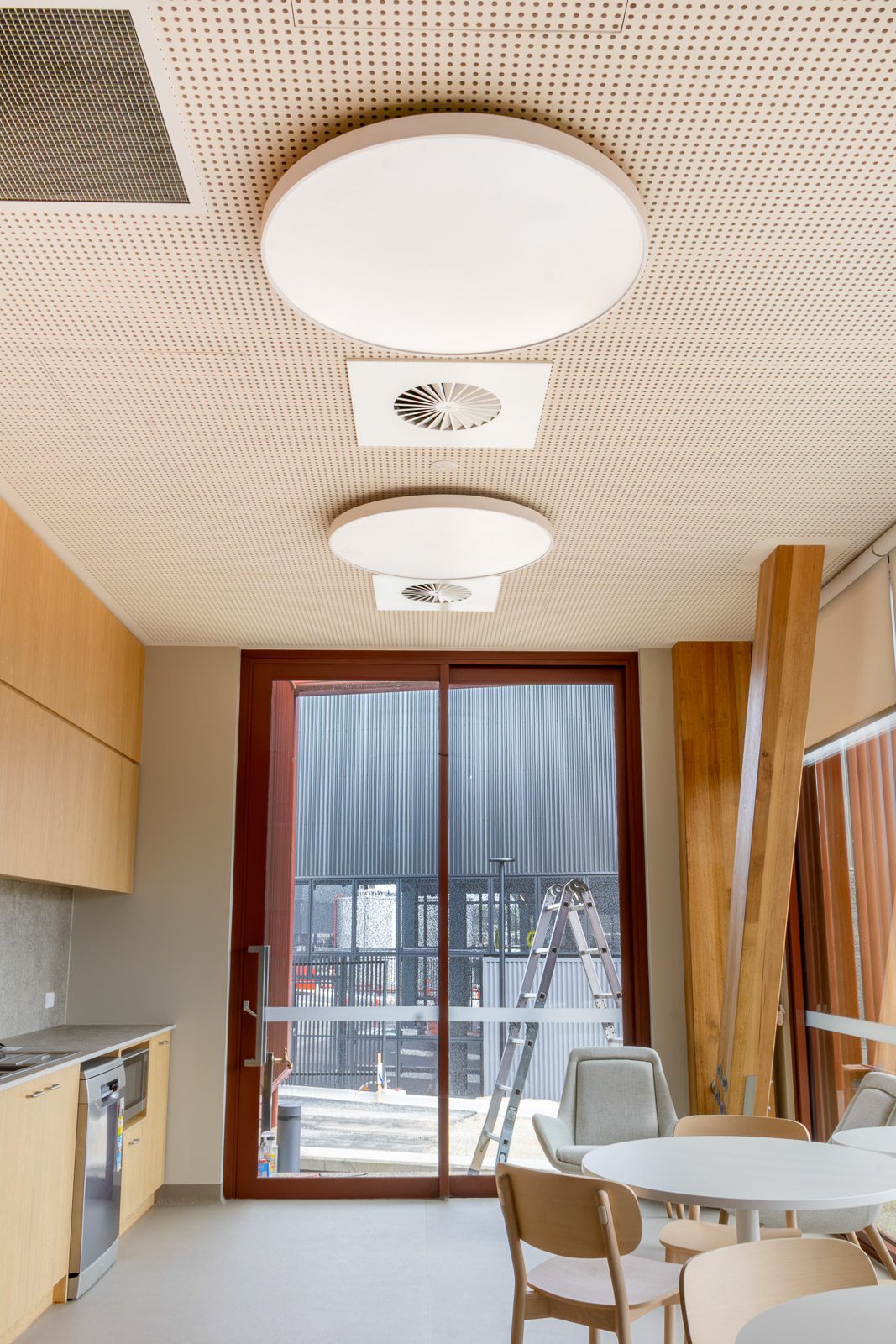
Project: Spirit of Tasmania Terminal
Location: East Devonport, Tasmania
Degree C Services: Mechanical/HVAC