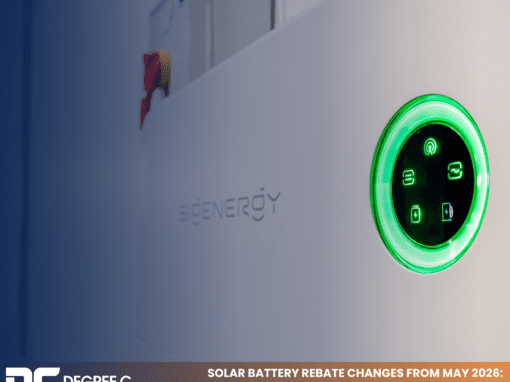
Solar Battery Rebate Changes from May 2026: What You Need to Know

Solar Battery Rebate Changes from May 2026: What You Need to Know

There’s been growing confusion around solar battery incentives in Australia, with many people believing the rebate is ending at the end of April 2026.

That’s not correct.

The rebate isn’t ending — it’s evolving.

From 1 May 2026, amendments to the Renewable Energy (Electricity) Regulations 2001 will come into effect, changing how solar battery incentives are calculated under the Small-scale Renewable Energy Scheme (SRES).

Quick answer: Is the solar battery rebate ending in 2026?

No — the solar battery rebate is not ending.

From 1 May 2026, the way the rebate is calculated is changing. The number of STCs (Small-scale Technology Certificates) will gradually reduce over time and vary depending on battery size, but the incentive will still be available.

Why the changes are happening

Battery costs have been steadily decreasing. To keep incentives sustainable and aligned with the market, the government is adjusting how the rebate is applied.

The goal is to maintain a consistent discount of around 30% across battery systems — whether small, medium, or large — while gradually reducing support over time.
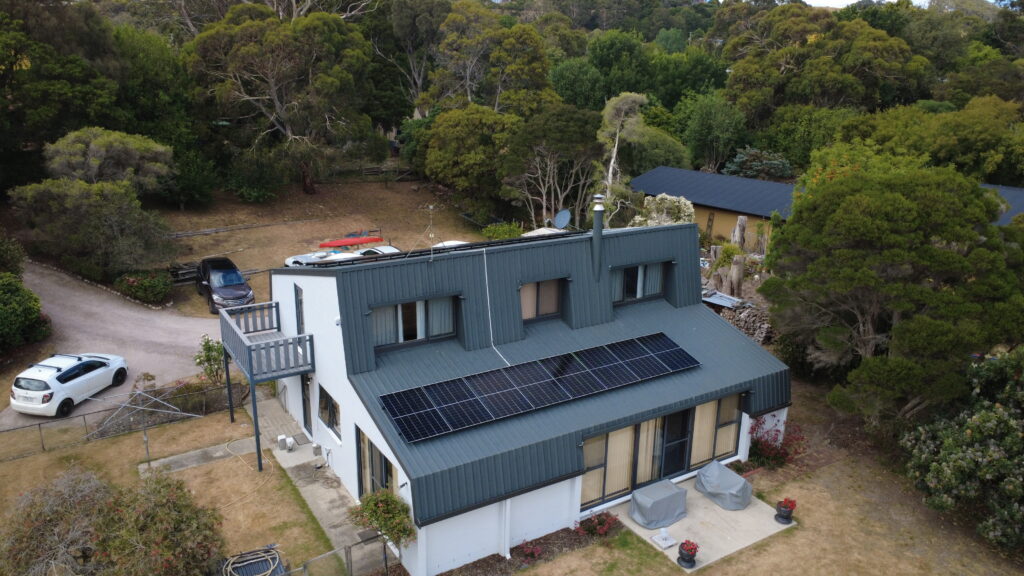
solar battery tasmania - solar hobart - solar devonport - solar launceston

What’s changing?

1. More frequent reductions

The STC (Small-scale Technology Certificate) factor will now:

  • Be reviewed and reduced every 6 months
  • Decline at a faster rate than before

This means the level of incentive will gradually decrease over time rather than staying static for long periods.

2. System size will impact your rebate

The rebate will now taper based on the usable capacity of your battery system:

  • 0–14 kWh → 100% of the STC factor applies
  • 14–28 kWh → 60% of the STC factor applies
  • 28–50 kWh → 15% of the STC factor applies

In simple terms, larger batteries will receive a lower rebate per kWh compared to smaller systems.

Learn more about solar here.
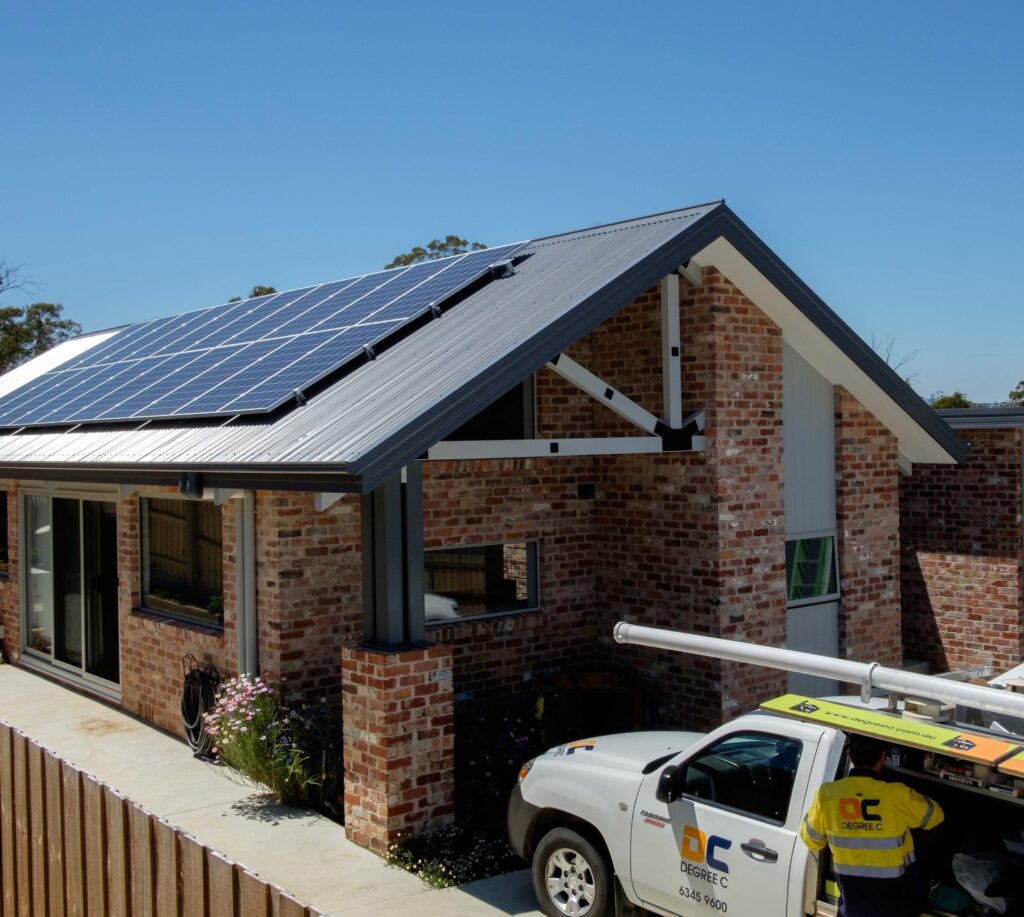
degree c electrical services - electrical services hobart - commercial electrical hobart - electrical services launceston - commercial electrical launceston - electrical services devonport - commercial electrical devonport -

What this means for homeowners 

These changes don’t remove the incentive — they reshape it.

  • Solar batteries are still supported under the SRES
  • The rebate remains a meaningful cost reduction
  • But system design and timing now play a bigger role in maximising value

For many people, this shift reinforces the importance of choosing a battery size that matches actual energy usage, rather than simply installing the largest system possible.

Should you act now?

With the first round of changes beginning 1 May 2026 — and further reductions scheduled every 6 months — the value of the rebate will gradually decline over time.

If you’re considering a battery, understanding how these changes apply to your situation can help you make a more informed decision.

Speak with our friendly solar specialists today to chat about your options. You can call us on 1300 665 753 or request a time here.

The key takeaway is simple:

The solar battery rebate isn’t ending — but it is becoming more structured and gradually reducing over time.

As the market matures, incentives are being adjusted to reflect falling costs while still supporting uptake.

If you’d like tailored advice on how these changes impact your home or business, it’s worth speaking to a professional before making a decision.

your energy planning session

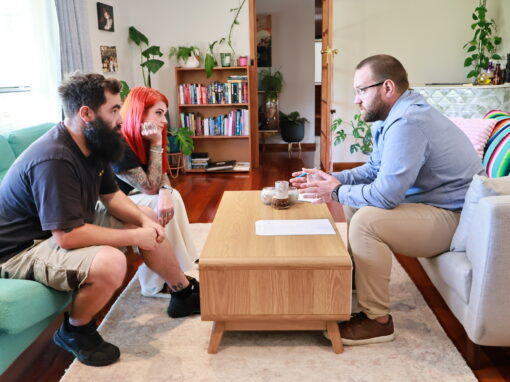
Take the guesswork out of solar. Our Energy Planning Session gives you a clear, customised roadmap based on your home, your energy habits, and your future goals. We analyse your current power usage, assess your property, and walk you through the smartest, most cost-effective solar options so you know exactly what will save you money, increase comfort, and deliver long-term value. No pressure, no jargon - just expert guidance tailored to you.

Energy Needs

Consider the total energy needs of your household and any future expansion plans, such as installing a pool, purchasing an electric car or growing your family.

Lifestyle

We take into account your daily and seasonal power usage, as well as your lifestyle habits such as heating and cooling needs and appliance usage patterns.

Location

In addition to analysing the access, safety, and appearance requirements for your home, we also take into account the unique weather conditions and geography of Tasmania.

Roof

The available space, material, direction and shading of your roof all play an important part to the efficacy of your solar power system.

Savings Goals

Your short and long-term savings goals, budget, finance options and home valuation are all considerations going forward.

L

HEAD OFFICE

2 Fairair Court
East Ulverstone TAS 7315

L

LAUNCESTON

6 Richard Street
Western Junction TAS 7212

L

HOBART

2 Stanton Place
Cambridge TAS 7170

Tasmania-wide coverage means you can count on us no matter your location.

Frequently Asked Questions

Do solar panels really work in Tasmania?

Absolutely. While Tasmania has shorter winter days, we still receive plenty of usable sunlight—often more than countries in Europe that heavily invest in solar. Panels continue to generate power even on cloudy days, just at a lower output. Our systems are designed with Tasmania’s climate in mind, and we’ll clearly explain seasonal performance during your planning session.

Can solar actually reduce my power bills?

Yes. Solar can reduce electricity costs by allowing you to use free energy from the sun instead of buying power from the grid. Any excess energy you don’t use can be exported back to the grid for a credit. Most customers see meaningful bill reductions from day one.

How much can I save with solar?

Savings vary depending on system size, energy usage habits and feed-in tariffs, but many households save hundreds to thousands of dollars per year. Systems typically pay for themselves within 4–6 years, with savings continuing for years after. Using more power during daylight hours usually delivers the best results.

How does a solar power system work?

Solar panels capture sunlight and convert it into electricity. An inverter then converts this electricity into a form your home can use. Your home uses solar power first, and any excess is either exported to the grid or stored in a battery if you have one.

Should I get a battery?

Batteries can be great, but they’re not essential for everyone—especially in Tasmania. A grid-connected solar system without a battery already delivers strong savings. Batteries are most useful if you want backup power during outages or greater energy independence. The good news is all our systems are battery-ready, so you can add one later if it makes sense.

What happens during a blackout?

For safety reasons, standard solar systems shut down during a blackout. If you have a compatible battery and backup setup, selected circuits in your home can continue to operate. We’ll explain your options clearly if backup power is important to you.

What is a feed-in tariff?

A feed-in tariff is the credit you receive for excess solar energy sent back to the grid. Feed-in rates are usually lower than what you pay to import electricity, which is why using your solar energy yourself is the most cost-effective option.

What government rebates are available?

The Federal STC rebate is available on eligible solar systems and is applied as an upfront discount. Battery incentives may also be available under schemes like the Cheaper Home Battery program. We handle all paperwork to ensure you receive every incentive you’re entitled to.

What if my roof doesn’t face north?

North-facing panels produce the most energy overall, but east and west-facing panels can still perform very well—especially when spread across different roof areas. Multiple orientations can actually better match your daily energy use. We assess this during your site inspection.

How long do solar panels last?

Quality solar panels come with 25-year product warranties and 25–30-year performance guarantees. Panels slowly degrade over time (usually less than 1% per year), but most systems continue producing useful energy well beyond their warranty period.

Do solar panels need much maintenance?

Solar systems are low-maintenance. A simple rinse with a hose every 6–12 months is usually enough. We recommend occasional visual checks and ensuring inverter and battery ventilation stays clear. We can also arrange servicing if needed.

How long does installation take?

From quote acceptance to grid connection, the full process usually takes 4–6 weeks. The physical installation itself typically takes 1–2 days, depending on system size and weather conditions.

What happens if there’s a problem?

If you notice an issue, contact Degree C first. We provide a 5-year workmanship warranty and manage all manufacturer warranty claims on your behalf, so you’re never left chasing suppliers.

Will my solar panels survive hail and storms?

Yes. Solar panels are tested to Australian Standards and designed to withstand severe weather, including hail. While extreme conditions can cause damage, failures are rare and covered under manufacturer warranties.

Are you an accredited solar retailer?

Yes. We operate under the New Energy Tech Consumer Code (NETCC) and only use Clean Energy Council approved products installed by accredited professionals.

Do you service my area?

Yes. We service Tasmania statewide, with local teams based in Hobart, Launceston and the North West Coast, ensuring ongoing support long after installation.

EV Charging Hobart

EV Charging Ulverstone

EV Charging Launceston

Solar Batteries Tasmania

Solar Batteries Hobart

Solar Batteries Launceston

Solar Batteries Devonport

Solar Devonport

Solar Tasmania

Solar Ulverstone
Solar Launceston Solar Hobart
EV Charging Tasmania